Master Agentic AI – Hands-On Workshop
This hands-on Agentic AI Workshop focuses on Agentic AI architectures and Retrieval-Augmented Generation (RAG). It is designed for students, developers, and data professionals who want to move beyond basic LLM API usage and gain practical skills in building context-aware AI systems using LangChain and modern agent frameworks.
Quick Facts
Training completed
This training has already been conducted and registration is closed.
This course includes:
About this course
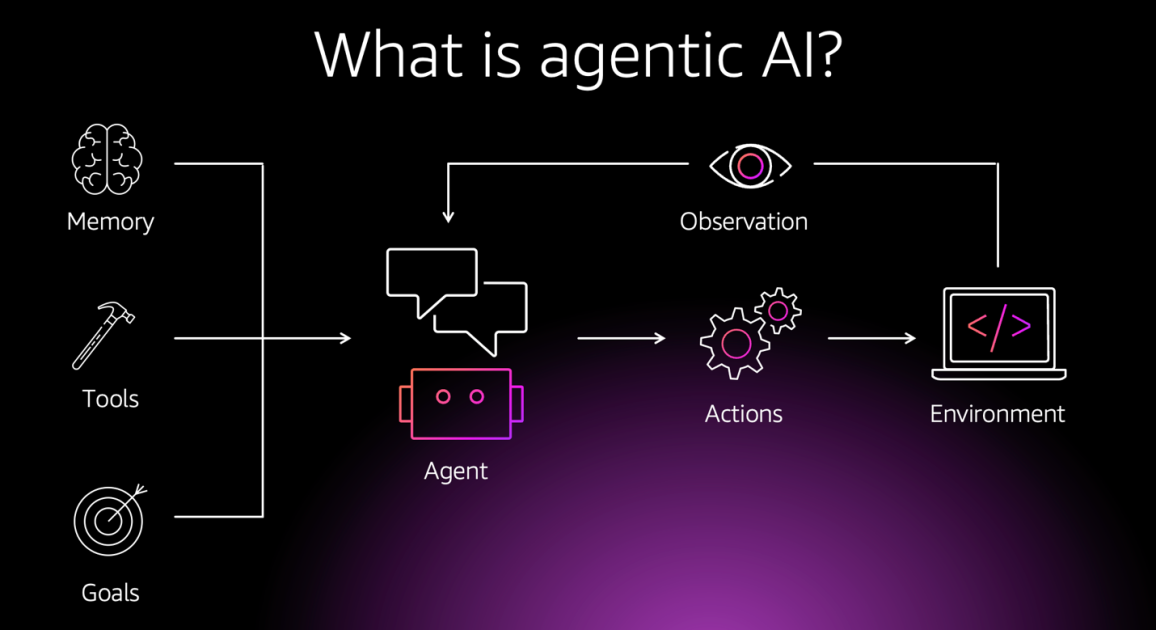
Agentic AI Workshop – 2-Day Hands-On Program This 2-day in-person workshop, organized by TechGenesys in collaboration with Ghulam Ishaq Khan Institute (GIKI), Swabi, is a hands-on program designed to help students and professionals transition from simple generative AI use cases to structured, intelligent AI systems. Over the course of two immersive days, you will learn how modern AI agents think, plan, retain information, and leverage tools. You will also build Retrieval-Augmented Generation (RAG) pipelines, enabling AI models to answer questions using your own data rather than guessing. The workshop emphasizes practical application of Agentic AI tools and concepts, including: 1. Working with LangChain and vector databases 2. Implementing memory systems and real-world patterns 3. Building a functional Knowledge Agent capable of understanding and responding to queries from a private dataset This workshop is ideal for developers, students, and professionals involved in building AI products, AI solutions, copilots, or automated workflows, equipping you with the skills to create intelligent, context-aware AI systems.
What you'll learn
How modern AI agents reason, plan, and act
Designing memory-aware AI systems
Building Retrieval-Augmented Generation (RAG) pipelines for private data
LangChain and LCEL best practices
Architecting scalable AI systems that go beyond simple demos
Course Curriculum
Expand each module to see what you'll learn
5
Modules
Module 1
Module 2
Module 3
Module 4
Module 5
Requirements
Basic understanding of Large Language Model (LLM) APIs, such as OpenAI or Anthropic